 Tottenham Hotspur Women
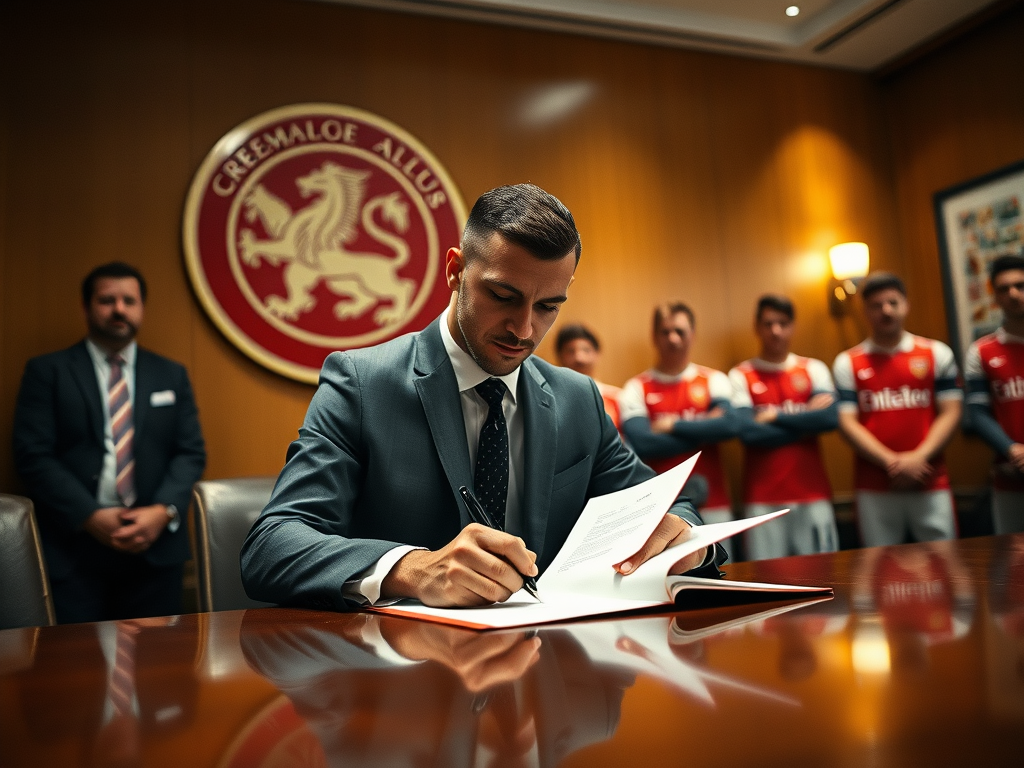
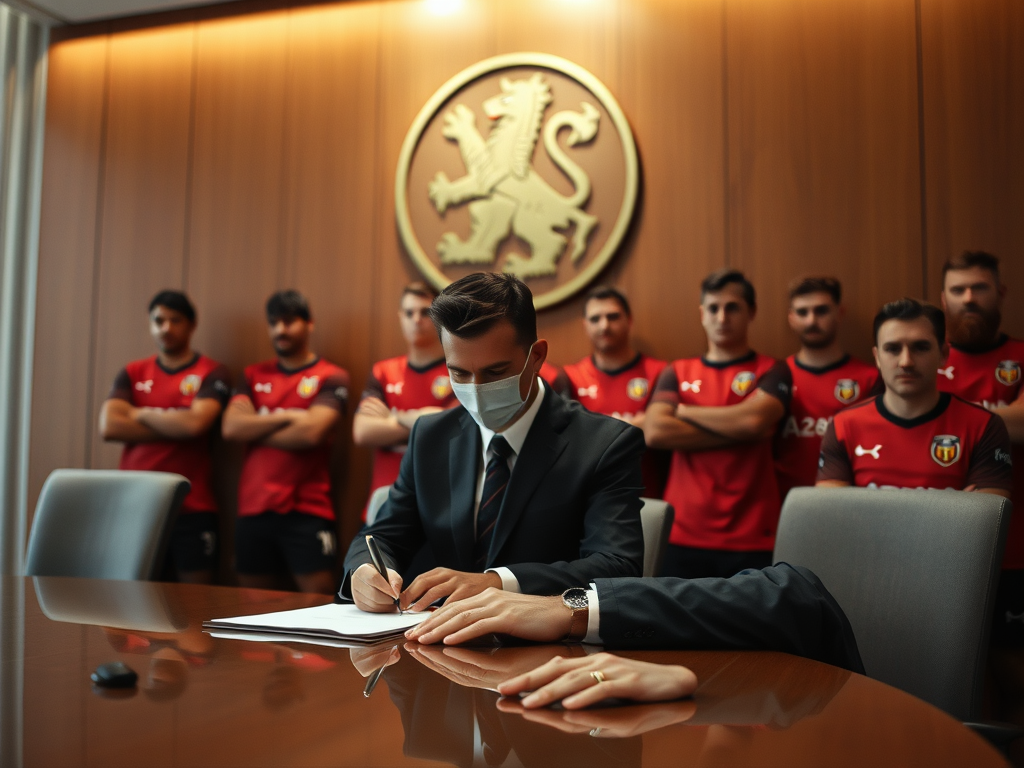
In the history of Tottenham Hotspur Women, one of the most pivotal moments came in 2017 when the club officially turned professional. This decision marked a watershed moment not just for Spurs, but for women's football as a whole, paving the way for greater recognition and investment in the women's game across England.
Before going professional, Tottenham Hotspur Women had a rich yet tumultuous history, filled with highs and lows. Established in 1985, the team spent many years in the lower tiers of women's football, battling for recognition and resources in a sport that was often overshadowed by its male counterpart. However, the passion and dedication of the players and supporters kept the spirit of Spurs alive, laying the groundwork for the future.
The move to professionalism in 2017 was not merely a shift in status; it was a bold declaration of intent. Spurs Women aimed to compete at the highest levels, and this decision came with a commitment to invest in player development, coaching, and facilities. The club's leadership recognised that to compete in the Women's Super League (WSL), a professional approach was essential. The transition was met with enthusiasm from fans, who were eager to see their team rise through the ranks and challenge the established powerhouses of women’s football.
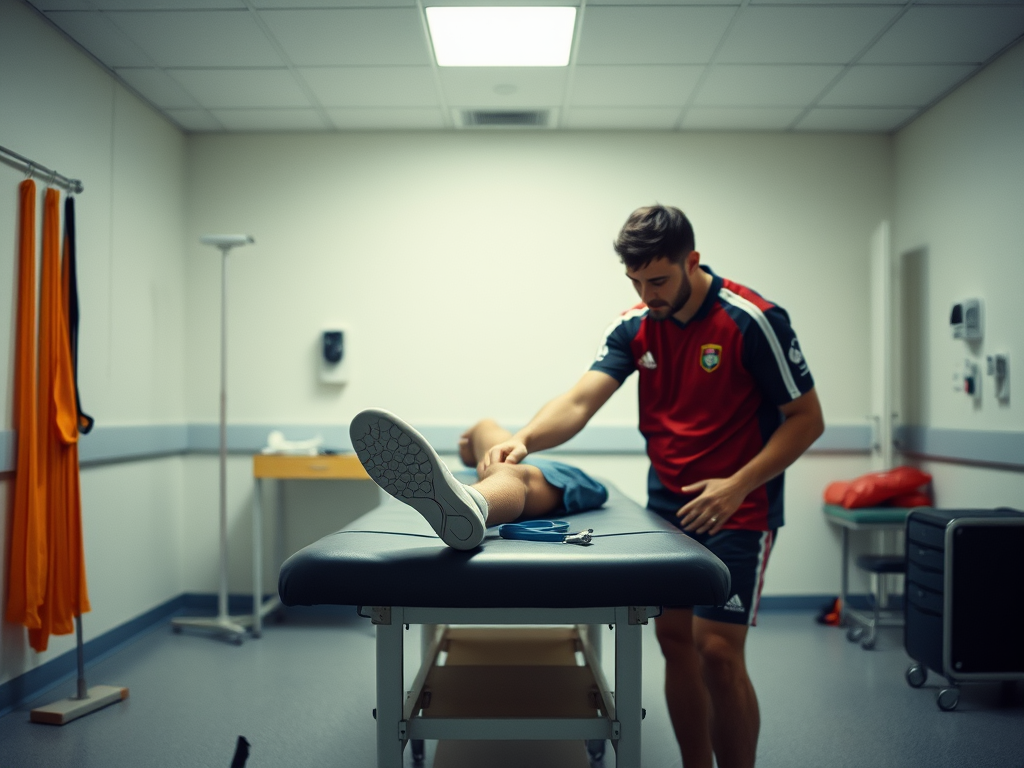
As the club transitioned to professionalism, the changes were evident both on and off the pitch. Training sessions became more structured, and players had access to better facilities, nutrition, and support systems that were previously unavailable. This investment in the squad led to the recruitment of talented players who were keen to be part of a project that promised growth and potential.
The impact of this professionalism was felt almost immediately. In their first season in the WSL, Spurs Women showcased their determination and skill, finishing mid-table and proving they could hold their own against some of the best teams in the league. This was a testament to the hard work put in by everyone involved, from the coaching staff to the players, who were now training full-time and dedicating themselves to the sport.
Another significant aspect of this transition was the increased visibility of women's football. The decision to go professional coincided with a broader movement in the UK to promote women's sports. The media began to take a greater interest in the women's game, and Spurs were at the forefront of this change. The club's matches started attracting larger crowds, and the fanbase began to grow as more people recognised the talent and excitement that Spurs Women brought to the pitch.
This journey towards professionalism has not only strengthened Tottenham Hotspur Women but has also inspired the next generation of female footballers. Young girls across London and beyond now have role models to look up to, as they see players like Rachel Furness and Ashleigh Neville not just competing at the highest level, but thriving in a professional environment.
Looking ahead, the impact of this pivotal moment in 2017 will continue to resonate as Spurs Women strive for success in the WSL. With a solid foundation now in place, the future looks bright for Tottenham Hotspur Women, a club that has embraced its pioneering spirit and remains committed to pushing the boundaries of women's football. As the team continues to grow and evolve, there is no doubt that their professional journey will inspire many more moments in the years to come.